Week 5: The City and Avant-Garde
Film represents the city in different ways. The relationship between the city and film is born with modernist movement and post-modernism. There’s two different way the city influences filmmaking: Thematically, and Formally.
Thematically filmmakers used the city to represent its state, the alienation, the solitude, the crowded environment and the visual enormity of the buildings. Formally films represent the spatial intricacy, variety, and social energy of cities.
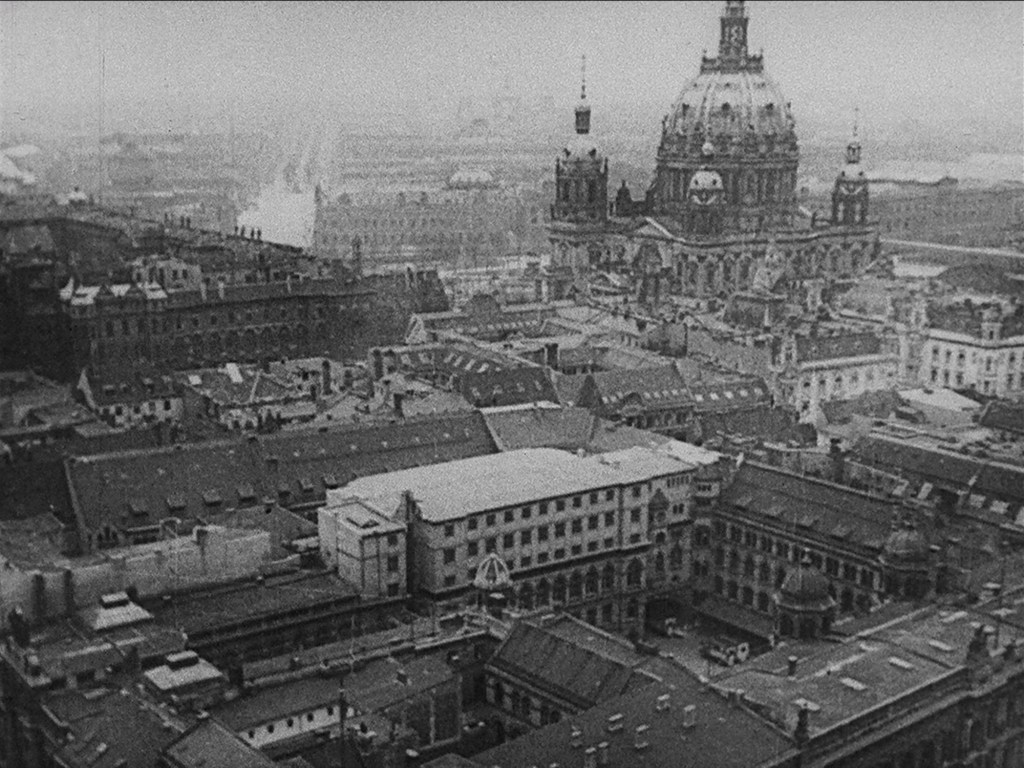
Films at the beginning of this city-film relation were called Film Symphonies where music and film were linked together to represent big cities and the lifestyle of it. One example of it is Walter Ruttmann’s Berlin: Symphony of a Great City, in this film we can see the concept of modernism, the film flows with the music with steady long shots and close-ups of the city, showing how the city awakes from the peace of the early morning to the rush and speed of the city life. It shows the industrial machines and processes of the city showing how grandiose and advance it was at the time. The buildings and objects around the city become more interesting in the image than people ‘When people are introduced into a landscape they have to be handled with caution’ (Klingender, 1968, p. 73)
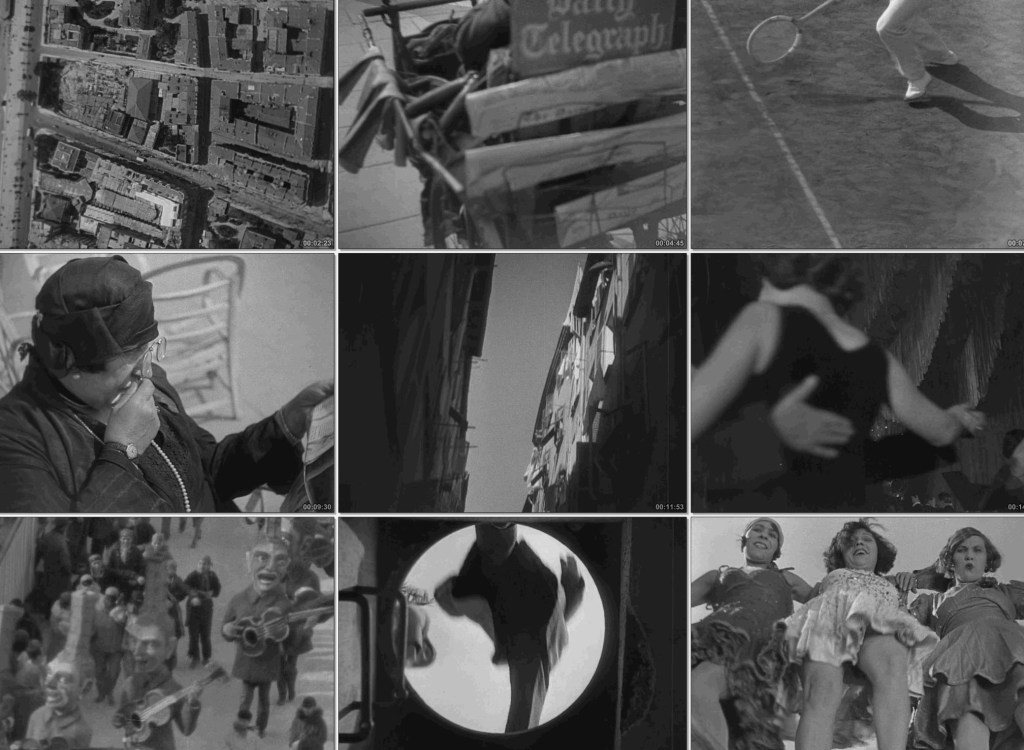
Another example that shows the modernism of cities and its manufacturing and crowded society is Jean Vigo’s A Propos de Nice, the film uses a more alternative technique, with tilts abrupt movement, overlaying images, changes in pace and angles as well as using handheld which brings the audience to that formality of the city life. The film portraits a festival as well as the poor side of the city, alternating a more intellectual montage with “judging” religious imagery and the “frivolity” of the city festival.
The modernity used in these films shows the role of the individual in the crowded mass society of the city, is based on utilitarianism, form follows the function and is mostly based on minimalist looks (clean lines, large scale) in modernism the city is organised for the goods and production. These movement and imagery transitions to postmodernism, where the city is more valuable for the knowledge and services.
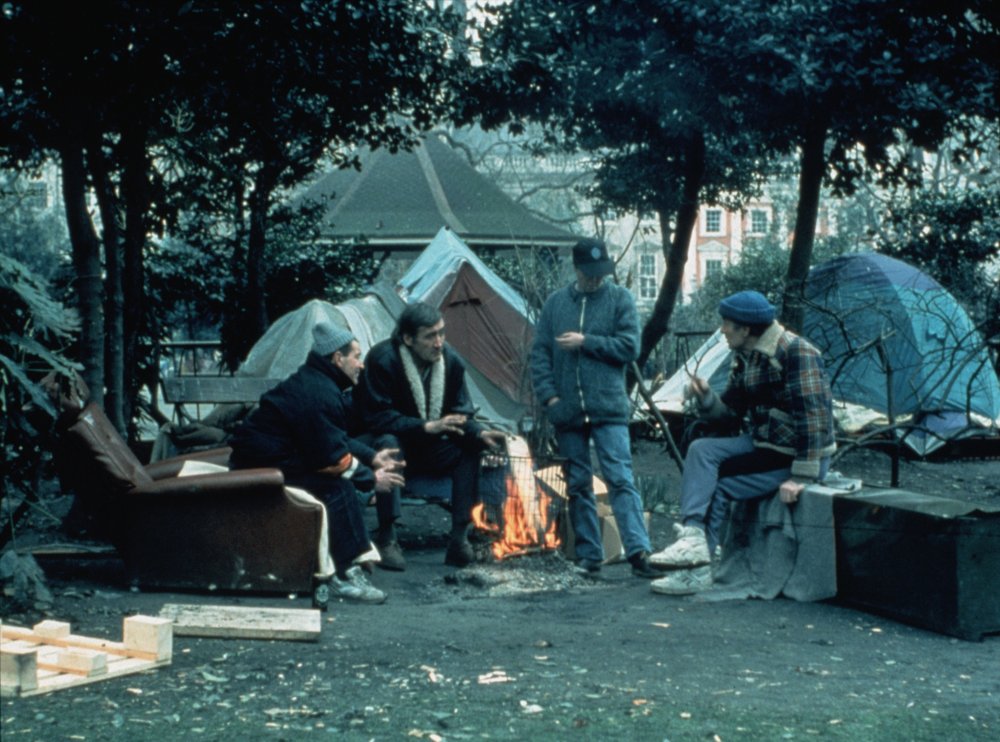
Filmmakers also related to the philosophy around the city and the use of space, this meaning the gated society concept, of an appropriation of space barriers, borders etc and how the class conflict is represented on it directly: Marxism vs capitalism. With these films like Patrick Keiller’s London were made to re-imagine the existing spaces and defamiliarize them from what people this of the building/spaces on a daily basis. This film is a mix of documentary and avant-garde, with a voice-over and wide steady shots, where t brings the post-modern concept of the city as a historical place as an intellectual and political space showing, minorities and the “hidden stories” of buildings
In conclusion, the relation between film and cinema can be found in different forms where Film provides a visual remnant of the city (the found footage film) where the city can be a space where filmmaker projects an emotional concept (the cine-poem) and Film can allow reimagining existing spaces.
Bibliography:
Klingender Francis D, Art and the Industrial Revolution. 1968.London: Paladin,
Filmography:
A Propos de Nice, Jean Vigo. 1930. France.
Berlin: Symphony of a Great City, WalterRuttmann 1927. Germany
London Patrick Keiller’s 1994. UK.
 Alternative Film
Good summary of the way the city has been represented in these films.
LikeLike