Week 6: Landscape in Film
Landscape and nature are represented in film in different ways. Nature is represented as wild and the pastoral and landscape aesthetics has been framed as the sublime and beautiful a form that we already observed in the cine poem where filmmakers got an example of art pieces from the impressionist movement and American landscapes. In this essay, I will look at different approaches and thoughts about nature represented in film and its impact on audiences concepts of nature. I will also expose some examples of films representing these natural landscapes and the different approaches taken.
One of the studies used in the film is ecocriticism since the early 2000’s it began in the literary criticism where scholars analyse texts that represented environmental concerns and explored the way in which literature considers the topic of nature. The same thing was applied to film where it observed the way nature is a portrait and thought of.
Since its official inception in the early 1990s and its recognition as a significant academic field of study, ecocriticism has expanded beyond the area of literary analysis to embrace the study of other forms of cultural production, including theoretical discourse, music photography, virtual environments, and film and video.
(Willoquet-Maricond, 2010, p. 1)
One of the main questions that raises about nature and its representation it come from philosophical dualism, where there’s a conflict of reality into two differed types when it comes to nature, it was opposed to culture although at the same time with Darwin’s evolution theory, humans were related and thought of being part of nature. These are complex relations were different theorists intent to join human culture and nature as they cannot be divided from one another. The environment representation in film how nature is not in a far away position in respect to humans but interconnected, as ecology shows us. The representation in film shows how the human body and materialism is still connected with nature and its forms.
An important side of nature in film and literature is the wilderness and its perfection creations in nature ‘Among the topics covered are the symbolic function of wilderness and its construction as a pristine Edenic space;’ (Willoquet-Maricond, 2010, p. 9). Theorists observe how important maintaining wilderness is, for diverse reasons like emotional reasons, spiritual connections or biodiversity. Other films, also show the effect that humans have had over the wilderness and nature, criticising our effects on it. These effects that we get is also called climate change which we have created, and so ecocinema makes an input on human influence on nature, landscapes or wilderness, making audience question their impact and using activism to send a message ‘Ecocinema overtly strives to inspire personal and political action on the part of viewers, stimulating our thinking so as to bring about concrete changes in the choices we make, daily and in the long run, as individuals and as societies, locally and globally.’ (Willoquet-Maricond, 2010, p 45.)
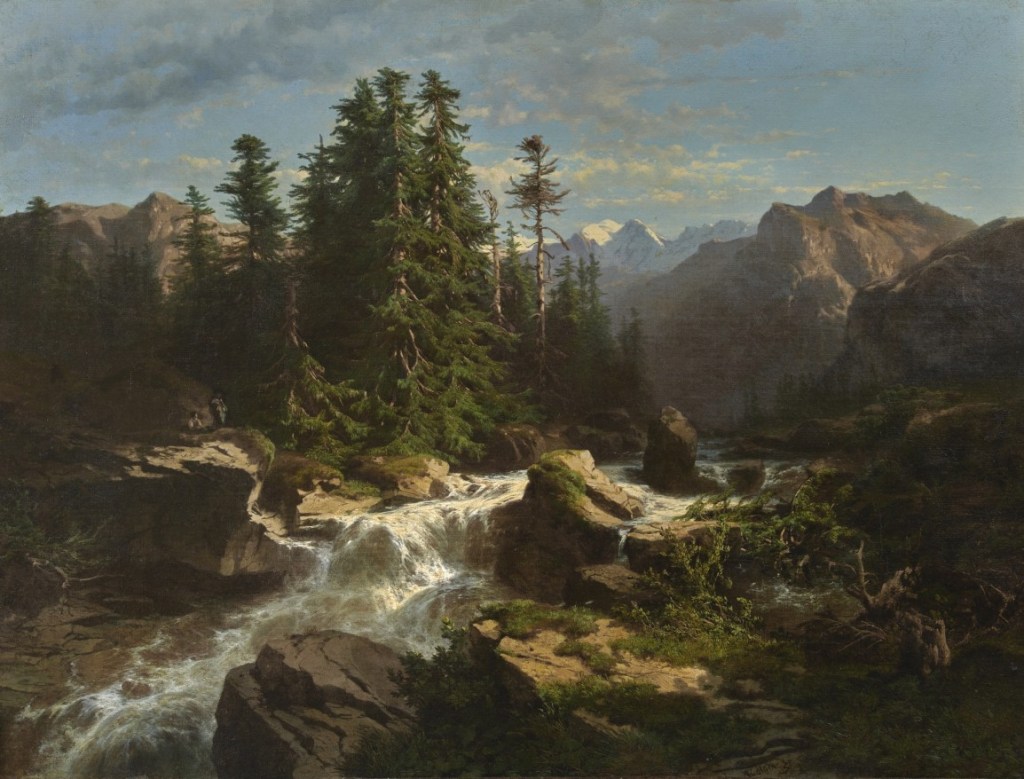
Within this nature representation there’s different landscapes but it’s easy to separate them in two groups, the pastoral and the sublime. We saw these cases in cine-poem where artists used these landscapes in their films and paintings. The pastoral refers to a more rural human-affected environment, where nature is “tamed”, agriculture and farming are usually the best approaches for these images where the rural idyll shows (social harmony). Although this landscape seems ideal there’s some criticism involved with it, for example exploitation, difficulty of rural workers or inequalities of land ownership. On the opposite side of this dualism, we find the sublime, which fits a landscape that includes the wilderness mentioned before. In sublime landscapes its shown the mysterious, dark, strong and unruly nature that takes power over the beauty and light of the pastoral. The sublime also brings the human figure as insignificant and small where it outs people in a more respectful and humble approach to their existence.
Some film examples that we can find in alternative and structural film is Bill Viola’s The Passing where American landscape references are made and the human figure seems overtaking by nature. Viola uses the sublime landscape with the stillness and long establishing shot, showing the grandiose nature in the majority of his films.

In conclusion, Nature in film, takes a very important role, where theorist observe how the representations of landscapes affect audiences and which meaning and approaches a film can take. Landscapes and Eco cinema can transmit to audiences a message of responsibility and reconnection to the nature and the different aesthetics (pastoral or sublime). Taken from other artistic branches cinema acquires another level of understanding a representation to transmit the viewers another meaning making form where they are force to think and reconsider their choices and existence in their environment.
Bibliography:
Willoquet-Maricond, P. (2010) ‘Introduction: From Literary to Cinematic Ecocriticism’ Willoquet-Maricond, P. (eds.) Framing the World: Explorations in Ecocriticism and Film. University of Virginia Press: US, pp. 1-25.
Willoquet-Maricond, P. (2010) ‘Shifting Paradigms from Environmentalist films to Ecocinema’ Willoquet-Maricond, P. (eds.) Framing the World: Explorations in Ecocriticism and Film. University of Virginia Press: US, pp. 43-62.
Filmography:
The Passing, Bill Viola, 1991, US.
 Alternative Film