Week 4: ASSEMBLAGE FILM.
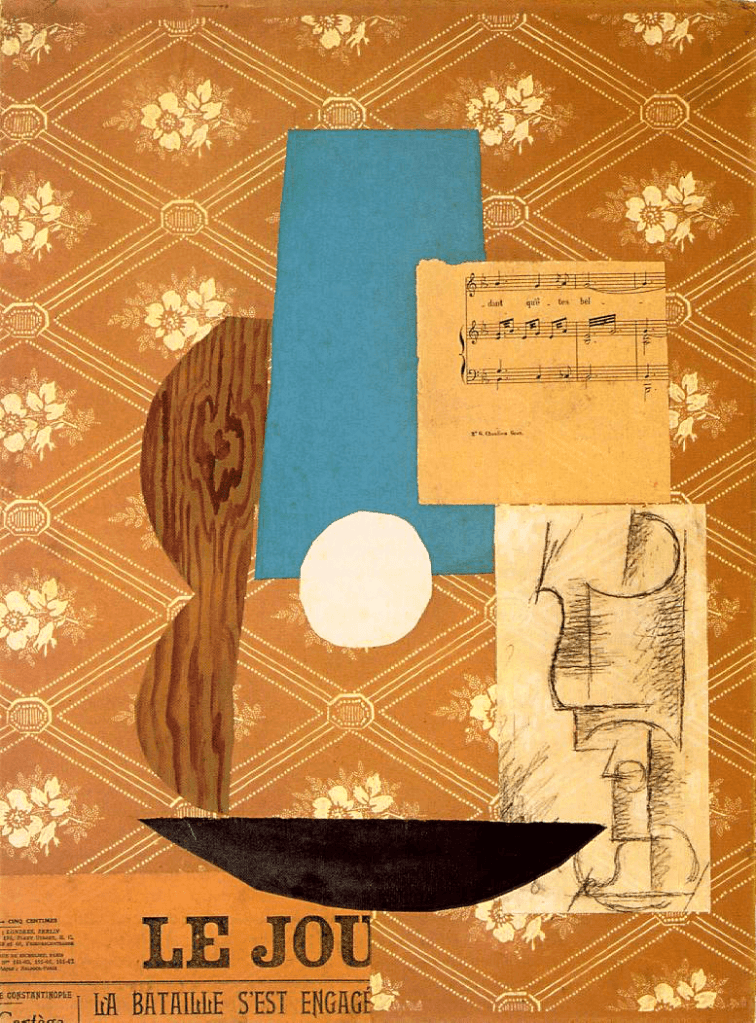
The assemblage film also known as found footage films were born during the early ’20s and it gets the influence from the artistic movement of the same name, where cubist images were made as collages (spatial assemblage) with found objects using them as art materials, as an example of this, we can use Pablo Picasso that used newspaper, wallpaper, stickers, pieces of cardboard or other objects to create his paintings. When it comes to Film a similar technique is used, recycled images from other films, videos, photography or recorded footage are collected and edited together to form a new film and as Wees says, ‘Recycling found footage may require nothing more than finding it and showing it to someone who appreciates it’ (Wees, 1993, p.5 ). Although it seems like it doesn’t require much it does require more understanding from the audience view to search a meaning within the film and to separate the different types of Found footage films that exist.
William Wees differentiates between two types. On the first-place Single source films, which are films that use a single film or video and edited to change it to a new product. This first type is explained by Wees
The content of the original footage may continue to be recognizable, but its impact depends principally on its new visual aspect, and in the most extreme cases only hints or fragments of the original images may remain within a kind of filmic palimpsest created by the filmmaker’s erasures and additions.
(1993, p. 26)
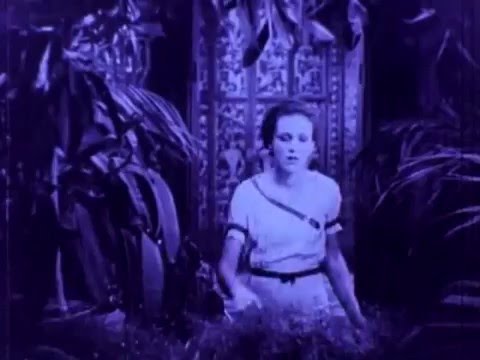
An example of this type is Joseph Cornell’s Rose Hobart that is a re-edition of the film East Borneo. In the film, Cornell cuts sections of the original film to feature Rose Hobart, the actress of the film, in the environment of the film and interacting with it and other characters. It uses entire sequences and re-arranges the narrative in a way where he leads us to try and build a narrative but doesn’t let us. The film links with other types of avant-garde film that we have been viewing as it has a surrealist sense when giving it a dream-like feeling with jump cuts and unrelated correlative actions.
The other type is several sources of films, these films use several films, videos, photos or materials to build a new film. Within this type of films, we can find several types of montage, some examples like intellectual montage, surreal visual poems comic metaphors and analogies and many more. Some examples of these films are Valse Triste by Bruce Conner or Los Angeles Plays Itself by Thom Andersen.

These films, and single soured films as well, use different techniques like photographing the film, zooming in, cutting, shots, repetition, freeze frames, camera speed. One of the main techniques used was tinting all the footage a monochromatic and consistent colour to give the sense of continuity between the different images that could have different colour, lighting or age.
In Conclusion, films sourced from other materials are creations that still have an impact today and take part of a lot of films today and in history, where meaning making was given a different approach. Within the method there’s many different approaches techniques and types that are too broad to talk about in this paper, but it became a very important influence in filmmaking in history.
Bibliography:
Wees W. Recycled Images: The Art and Politics of Found Footage Films. (1993). New York: Anthology Film Archives.
Filmography:
Los Angeles Plays Itself, Thom Andersen, 2003. US.
Rose Hobart, Joseph Cornell, 1939. US.Valse Triste, Bruce Conner, 1977. US.
Valse Triste, Bruce Conner, 1977. US.
 Alternative Film